
The playbook, proven
What other cities have done.
Vacancy isn’t destiny. These six districts were written off — then their cities stopped waiting, became active partners in redevelopment, and turned empty blocks into the most-loved places in town.
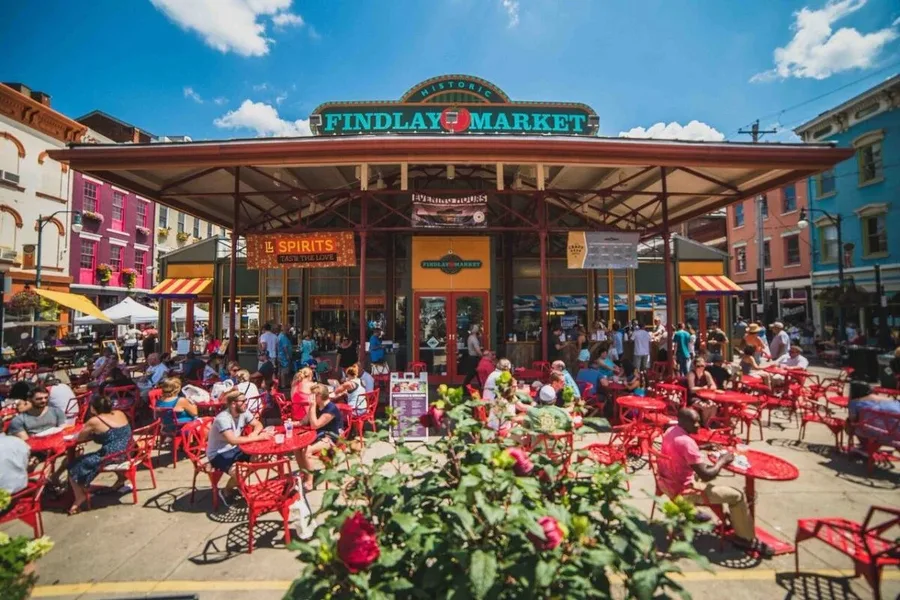
Over-the-Rhine, Cincinnati
A neighborhood of boarded-up Italianate buildings became one of the country’s most celebrated urban turnarounds. A dedicated nonprofit development corporation (3CDC), backed by the city and local employers, bought and restored hundreds of vacant buildings, reactivated public squares, and recruited local businesses into the ground floors.
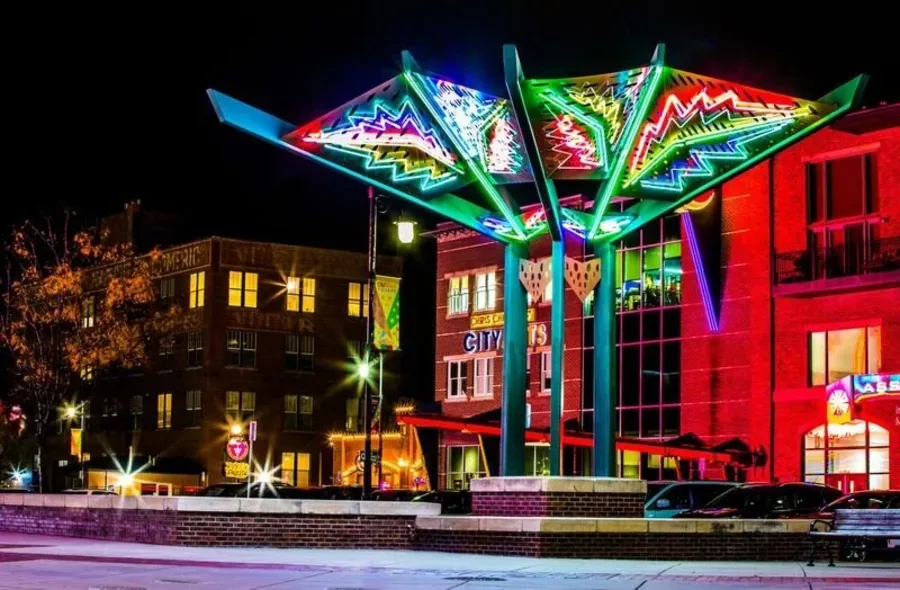
Old Town, Wichita
A district of empty brick warehouses was rebuilt around public investment in streets, lighting, and parking, plus tax-increment financing that made private rehab projects pencil. Today it’s Wichita’s dining and entertainment district — anchored by the very buildings that once sat vacant.
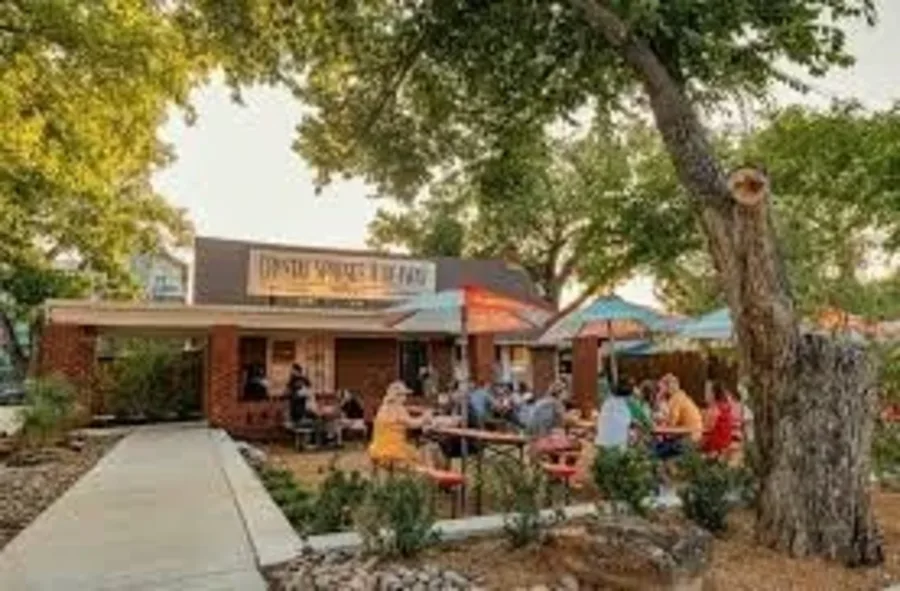
River District, Fort Worth
Underused industrial land along the Trinity River was unlocked by infrastructure: new road connections, river access, and public-private planning that gave developers certainty. Housing, restaurants, and outdoor recreation followed.
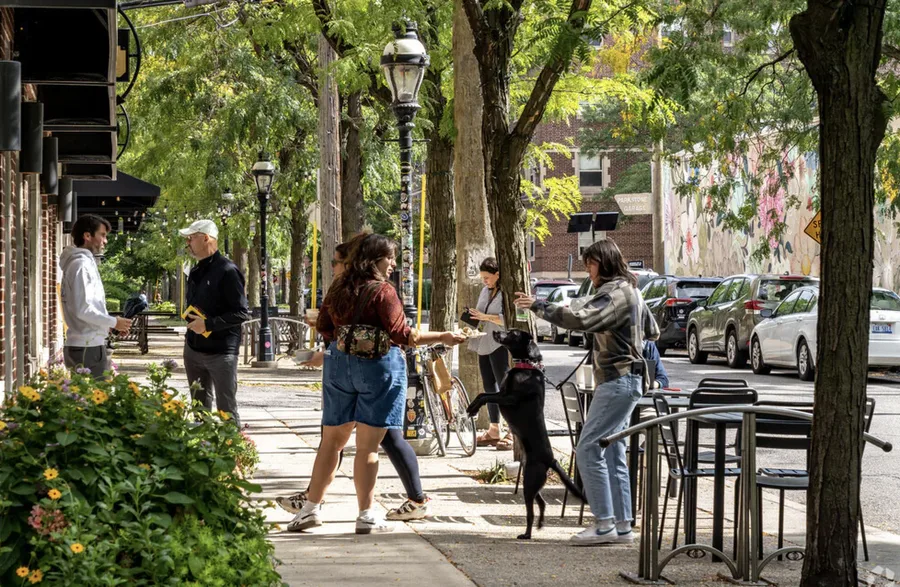
East Village, Detroit
Detroit paired land-bank programs that moved vacant parcels into committed hands with targeted stabilization grants for historic commercial buildings. Block by block, vacant storefronts are returning as neighborhood-scale businesses and mixed-income housing.
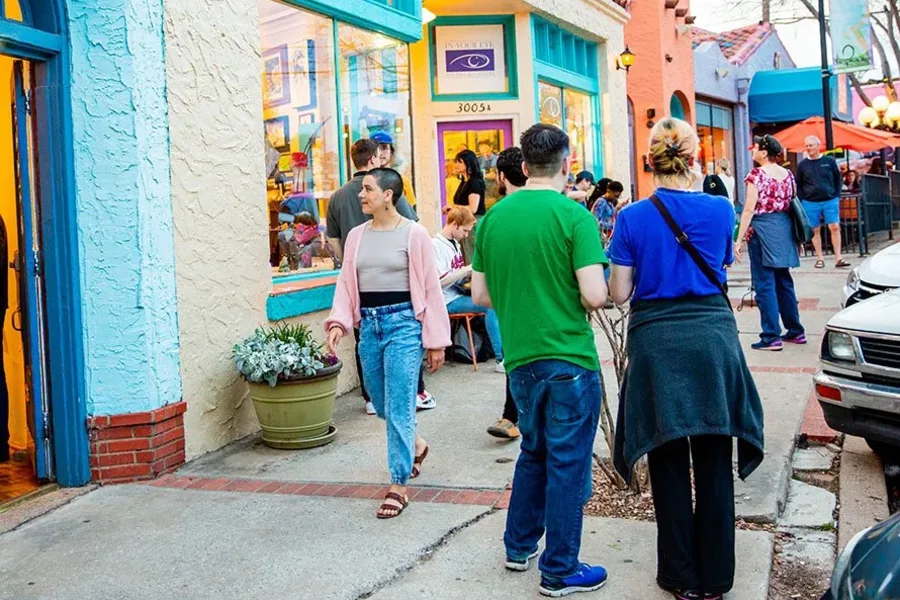
Paseo Arts District, OKC
A faded 1920s Spanish-revival strip was revived by artists, then cemented by the city’s willingness to invest in streetscape and events. Galleries and studios in once-empty storefronts now anchor one of Oklahoma City’s signature districts.
Central Park, Denver
When Stapleton Airport closed, Denver faced thousands of acres of vacant land. A single master plan, patient public financing, and infrastructure-first development turned it into a walkable district of homes, parks, and town centers — proof that scale is an asset when there’s a plan.
Petaluma has the same raw material — and a coalition ready to use it.
Join the coalition →