
← News & events · Blog posts
Retail Is the Heart of Downtown—But Only If We Get It Right
July 30, 2026
By The Vacancy Project, an initiative of Petaluma Urban Chat
Downtown is the economic and cultural heart of our community. Its historic buildings, walkable streets, restaurants, locally owned businesses, and riverfront distinguish it from nearly every other city in the North Bay. But a vibrant downtown takes more than preserving historic architecture—it requires thoughtful decisions about how retail space is used and how people experience downtown.
The City’s Future of Retail White Paper (2021) offers an important insight: Petaluma does not simply need more retail. It needs the right retail in the right places.
The City’s 2026-27 Economic Development Workplan recognizes that retail and food businesses generate nearly half of Petaluma’s sales tax revenue. Yet local sales tax receipts have declined from their 2021–22 peak, reflecting softness in retail activity.
Strengthening downtown retail then, isn’t just about preserving local character. It’s about protecting the City’s fiscal health.
KEY TAKEAWAYS
- Petaluma needs better retail, not more: room for only 37,000–62,000 sq ft of new retail through 2031.
- Retail and food drive nearly half the City’s sales tax revenue, but receipts have slipped since 2021–22.
- The west side should focus on specialty retail that draws tourists; east side keeps serving residents’ everyday needs.
- Vacant or outdated storefronts should welcome offices, medical, fitness, and other uses that bring foot traffic, not just retail.
- Housing, overnight visitors, and walkable links between downtown districts drive real retail demand.
- Next steps: sharper visitor marketing, better wayfinding between districts, and zoning reform to reduce vacancies.
Specialty Retail: Downtown’s Competitive Edge
Petaluma already has two distinct retail markets. The east side primarily serves residents through “commodity retail”— grocery stores, pharmacies, home improvement stores, and other businesses that meet everyday needs. The west side, by contrast, has become a destination for specialty retail, restaurants, tasting rooms, galleries, and unique local businesses.
This distinction matters: specialty retail draws customers from a much larger market than neighborhood-serving retail does. Sonoma County visitors, Wine Country tourists, and shoppers from neighboring communities will travel for experiences they cannot find elsewhere.
The White Paper concludes that future retail growth on the west side should continue emphasizing specialty retail rather than duplicating the commodity retail already available elsewhere in the city. Success depends on creating experiences that make people choose downtown instead of shopping online or visiting another community.
Consumers increasingly seek authenticity, personal service, products they can touch and experience before buying, and memorable places to spend time. Those qualities—not the merchandise on the shelves—are what let independent downtown retailers to compete and win.
Streets That Sell: Why Public Space Is Everyone’s Business
Business owners work hard to draw people with engaging window displays and top-notch customer service. But the City and business organizations like the Chamber of Commerce and the Downtown Merchants Association have roles to play too.
Research consistently shows that people spend more money when they stay longer. Attractive sidewalks, landscaping, outdoor dining, music, public gathering spaces, water features, and walkable streets all encourage visitors to linger — and spend.
Complete sidewalks, comfortable public spaces, and active storefronts are not aesthetic luxuries. They are economic infrastructure, requiring careful planning and public and private investment.
Connected, Not Scattered: Concentrating Petaluma’s Downtown Retail
Another key lesson from the White Paper: retail succeeds through concentration. Petaluma’s downtown—and the sales tax revenue it generates—can be strengthened by focusing retail downtown and in other specialty retail districts. Scattered stores rarely generate enough activity to create a destination, but clusters of complementary businesses encourage visitors to stay longer, walk farther, visit multiple shops, dine, and discover businesses they did not initially plan to visit.
This principle has major implications for the west side.
Connecting Historic Downtown, Theater Square, the Warehouse District, the Petaluma River, and the Downtown SMART Station area into one continuous pedestrian experience would effectively enlarge downtown rather than create competing districts. That makes redevelopment of the largely barren Downtown SMART Station area and its riverfront key to Downtown’s economic health.
It also means that we can’t take a narrow view of what drives Historic Downtown sales. Retail and dining there are supported by drawing visitors to Theater Square and the Warehouse District too. Wayfinding improvements, Warehouse District branding, and coordinated marketing— including social media aimed at younger consumers—could encourage visitors to explore beyond Kentucky Street, boosting traffic for a broader range of businesses.
Retail Isn’t the Only Answer: Rethinking Petaluma’s Ground Floors
One of the White Paper’s most important conclusions is also one of the most overlooked: not every ground-floor commercial space should necessarily remain traditional retail, and not every project being developed on Petaluma’s west side needs ground floor retail at all.
Petaluma does not need a major expansion of retail square footage. The White Paper is clear that retail development must follow demand—not the other way around. Building more retail space does not create demand for more retail; it spreads existing demand thinner. Between 2021 and 2031, the city can realistically support only 37,000 to 62,000 additional square feet of retail after accounting for the replacement of outdated space—a modest increase, not a boom.
Rather than building large amounts of new retail, or letting vacancies linger, Petaluma should focus on modernizing and repurposing existing space that is obsolete or mis-sized for today’s retailers or is better suited to other commercial uses. Renovating obsolete storefronts is often less expensive than new construction—the land has already been acquired and the infrastructure already exists. The City’s zoning and permitting process must be flexible to facilitate adaptive reuse, including changes from traditional retail to other commercial uses.
Foot traffic matters. Although commercial services do not generate sales tax themselves, they still bring employees, customers, and activity downtown throughout the day. Someone visiting a physical therapist, attending a language class, meeting a financial advisor, or working from a co-working office often grabs coffee or lunch, or picks up a gift nearby. Those secondary purchases support surrounding retailers.
A fully occupied block with a mix of compatible uses contributes far more to downtown vitality than a block of empty storefronts held out for retail tenants who may never come.
It also extends the life of the district. Downtown retail now largely closes up at 6 p.m.—but the gym, evening classes, and performance spaces can keep the area humming long after.
Homes and Hotels: The Real Drivers of Retail Demand
Retail demand comes from three groups: residents, employees, and visitors. Of these, residents—and residential growth—remain the strongest long-term driver.
Petaluma’s aging population, shrinking number of families with children, and stagnant residential growth all limit demand for additional retail. Compounding this, nearly 80 percent of people who work in Petaluma live elsewhere, leaving the city after work rather than shopping or dining locally. Building more housing downtown and nearby can change that equation.
Similarly, more overnight visitors—through additional hotel rooms and continuing to market Petaluma to Wine Country travelers—would generate new spending that supports specialty retail.
Standing Still Isn’t Free: The Real Cost of Petaluma’s Vacancies
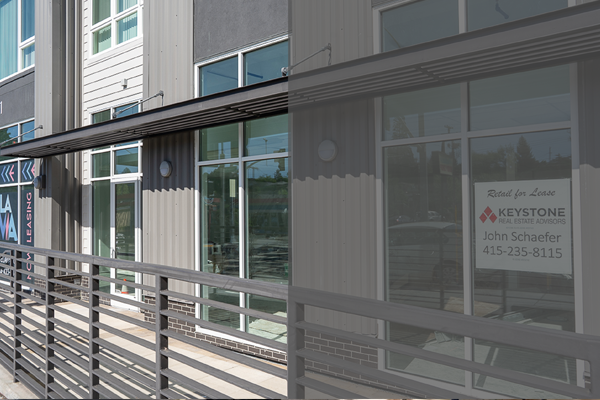
Petaluma’s downtown, and the neighborhood near the SMART station, are blighted by vacancies. Our historic railroad trestle along the river is a decaying eyesore. Retailers deciding where to invest compare Petaluma with neighboring cities that are actively improving their downtowns, recruiting businesses, and investing in placemaking.
Every vacant storefront, underutilized property, or disconnected pedestrian corridor represents a lost opportunity.
Vacancies interrupt walkable streets, reduce customer traffic, weaken neighboring businesses, and signal economic decline— effects that reinforce one another, making it harder to attract investment.
Doing nothing isn’t free. Inaction costs Petaluma in lost business activity, declining tax revenue, missed redevelopment opportunities, and a downtown that gradually loses its competitive edge.
The Assets Are Already Here—Now Let’s Connect Them
Petaluma possesses extraordinary assets that many cities would envy: a historic downtown, a navigable river, an active arts community, excellent restaurants, a regional rail station, and millions of annual visitors to Sonoma County.
The challenge is not creating these assets—it is connecting them into one vibrant, walkable, economically productive district.
Success requires focusing specialty retail where it performs best, allowing flexibility where traditional retail no longer works, investing in the public realm, encouraging housing and visitor accommodations, strengthening connections between downtown districts, and recognizing that experience has become the defining feature of successful retail.
Downtown Petaluma’s future will not be determined by how many storefronts we preserve. It will be determined by how effectively we fill those spaces with uses that bring people downtown, encourage them to stay, and give them reasons to return again and again.
Next Steps
Petaluma has already done much of the hard work. The City has commissioned high-quality studies and identified downtown as one of its most important economic assets. The challenge now is implementation. Three practical actions that we could take right now would strengthen downtown’s long-term vitality.
First, invest in attracting the next generation of visitors. Sonoma County welcomes more than 10 million visitors each year, yet the City’s own Future of Retail White Paper concludes that Petaluma needs a focused campaign to capture a larger share of that market—particularly Wine Country visitors. Today’s consumers discover destinations through Instagram, TikTok, YouTube, online reviews, and influencers far more than through traditional advertising. Transient occupancy taxes charged to hotel guests fund the “Visit Petaluma” campaign, but its materials are not landing with its target audience, and neighboring cities are outdoing us. A targeted marketing and social media strategy highlighting Petaluma’s specialty retailers, restaurants, riverfront, arts scene, and authentic downtown experience could attract younger visitors who value unique places over generic shopping centers.
Second, make the Warehouse District impossible to miss. The Warehouse District is one of Petaluma’s most distinctive assets, but many visitors never realize it’s only a short walk from the Historic Downtown. Better wayfinding, public art and landscaping, gateway signage, maps, lighting, and coordinated marketing, branding, and placemaking could seamlessly connect Historic Downtown, Theater Square, the Petaluma River, the SMART Station, and the Warehouse District into one unified destination. Every additional block that visitors explore increases opportunities for shopping, dining, and discovery.
Third, modernize our land use regulations and permitting processes to encourage occupancy rather than vacancy. The City’s own retail analysis concludes that some older commercial spaces are better suited for offices, educational services, medical practices, studios, fitness businesses, and other active commercial uses than traditional retail. The ongoing update of the Implementing Zoning Ordinance presents an opportunity to review Conditional Use Permit requirements for downtown commercial businesses and eliminate approvals that add time, cost, and uncertainty without producing meaningful public benefit. Anecdotally, we’ve heard property owners grumble about permitting and impact fees, parking requirements, fire safety upgrades, and ground-floor retail where it doesn’t make sense. The Vacancy Project is initiating a survey to gather data from vacant property owners, businesses, brokers, and realtors to uncover the obstacles to occupancy in our Downtown so that we can develop targeted policies to overcome them. Stay tuned for more.
What are your ideas? Contact us at tvp@urbanchat.org.